DXwand: The Cairo-Based AI Company Making Conversational Intelligence Work for Arabic Speakers Across North Africa
DXwand builds conversational AI tools that understand Egyptian and Gulf Arabic dialects with over 93 percent accuracy, serving banks, telecoms, and retailers.

Senior technology journalist tracking ecosystem developments, investment flows, and software innovation hubs across the continent.
Published: 23 October 2026
Updated: 23 October 2026
Arabic is one of the most widely spoken languages in the world, with more than 400 million native speakers across North Africa and the Middle East. Yet Arabic presents unique and formidable challenges for AI systems. The written form of Arabic, Modern Standard Arabic, is a formal register that few people use in everyday conversation. Actual spoken Arabic varies dramatically from country to country and even city to city.
Egyptian Arabic sounds nothing like Moroccan Arabic. Gulf Arabic has vocabulary and grammar patterns that differ significantly from Levantine Arabic. And within Egypt itself, the Arabic spoken in Cairo differs from the Arabic spoken in Upper Egypt. For an AI company trying to build conversational systems that understand real Arabic as people actually speak it, this diversity creates a technical challenge that global AI companies have largely failed to solve.
DXwand, founded in Cairo, Egypt, has built its entire business around solving this problem.
Understanding the Arabic AI Gap
When global technology companies talk about supporting Arabic, they typically mean Modern Standard Arabic, the formal written language used in news broadcasts, government documents, and academic publications. Their AI models can translate Arabic news articles, summarise Arabic Wikipedia entries, and generate Arabic text in this formal register with reasonable accuracy.
But nobody uses Modern Standard Arabic to contact their bank's customer service line, complain about a late delivery, or ask a telecommunications company about their data plan. Real customers speak in their local dialect, mix in English or French loanwords, use slang that changes every few years, and express themselves with cultural references that no foreign-trained AI model can understand.
This gap between what global AI supports and what real Arabic speakers actually need is the market opportunity that DXwand was built to capture.
How DXwand's Natural Language Understanding Engine Works
DXwand's core technology is a proprietary natural language understanding engine built specifically for Arabic dialects. The system was trained on large volumes of conversational Arabic data collected from customer service interactions, social media conversations, and voice recordings across Egypt and the Gulf region.
The engine handles several tasks simultaneously. It identifies which dialect a speaker or writer is using, since the same word can mean different things in Egyptian versus Gulf Arabic. It parses the grammatical structure of dialectal Arabic, which follows different rules from Modern Standard Arabic. It identifies the intent behind a customer's message, even when that message contains mixed languages, spelling variations, abbreviations, and colloquial expressions.
DXwand reports that their engine achieves over 93 percent intent recognition accuracy for Egyptian Arabic, compared to the 75 to 80 percent accuracy that most global conversational AI platforms achieve on the same data. The difference is meaningful. In a customer service context, the gap between 80 percent and 93 percent accuracy is the difference between a chatbot that frustrates customers and one that actually solves their problems.
Real-World Deployments Across Industries
DXwand's technology is deployed across multiple industries in Egypt and the broader Middle East and North Africa region. Banks use DXwand to handle routine customer inquiries about account balances, transaction history, card services, and loan applications. These interactions, which previously required human agents, are now handled automatically in natural Egyptian Arabic.
Telecommunications companies use the platform to manage the high volume of customer service queries related to billing, data plans, service outages, and device support. In a market where a single mobile operator may have tens of millions of subscribers, the cost savings from automating even a fraction of customer service interactions are substantial.
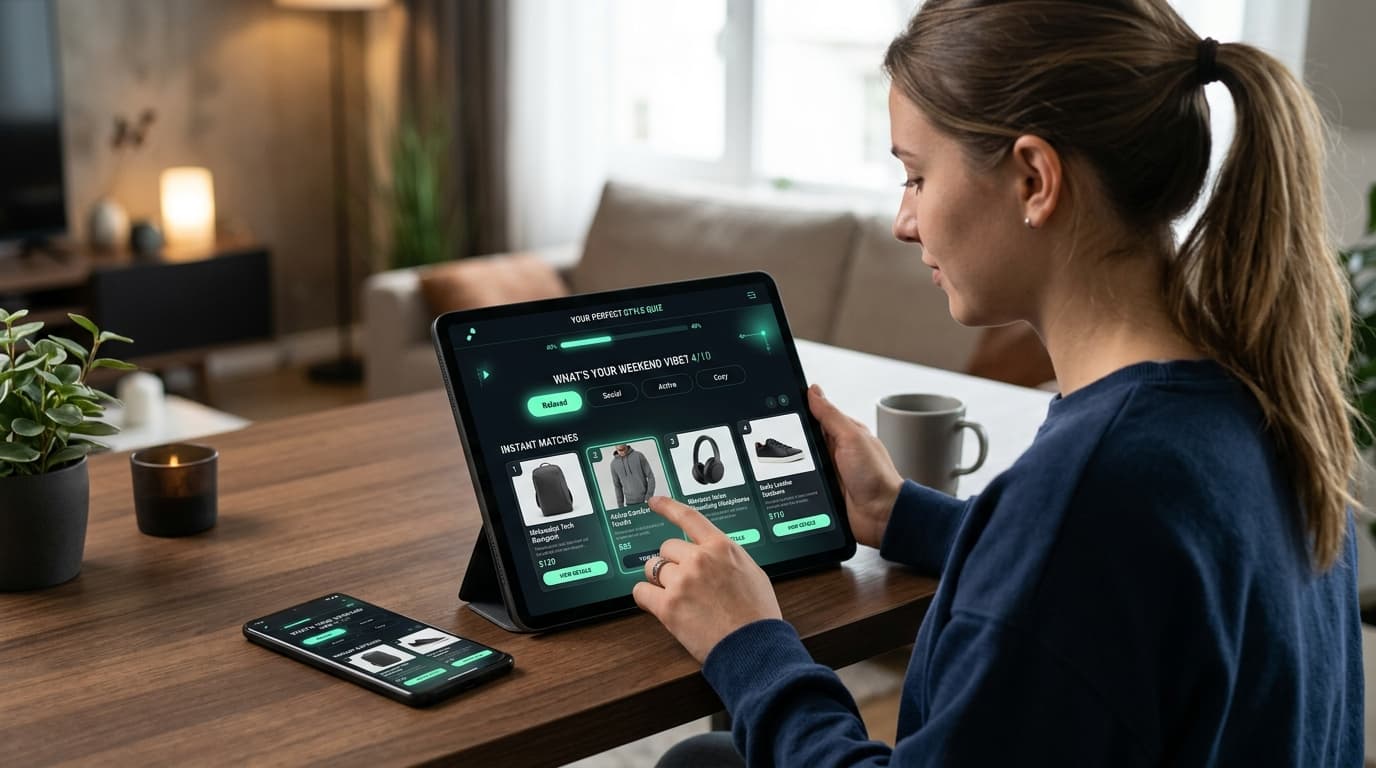
Retail and e-commerce companies use DXwand to provide conversational shopping assistance, answering questions about product availability, delivery times, return policies, and promotions. The system integrates with popular messaging platforms including WhatsApp, Facebook Messenger, and web chat widgets, meeting customers on the channels they already use.
The Omnichannel Architecture
One of DXwand's key technical differentiators is its omnichannel approach. Rather than building separate bots for each communication channel, DXwand maintains a unified conversation engine that can operate across web chat, WhatsApp, Facebook Messenger, voice calls, and SMS simultaneously.
Customer context carries across channels. If a customer starts a conversation on WhatsApp and later calls the support line, the system recognises the same customer and maintains the conversation history, avoiding the frustrating repetition that typically occurs when customers switch channels.
This omnichannel capability is particularly important in the Middle East and North Africa market, where WhatsApp usage rates are among the highest in the world and customers frequently switch between messaging platforms depending on convenience and connectivity.
Growth Strategy and Regional Expansion
DXwand has expanded beyond Egypt into the Gulf states, including Saudi Arabia and the United Arab Emirates, adapting its language models for Gulf Arabic dialects. The Gulf market is particularly attractive due to high per-capita spending on customer service technology and strong demand for Arabic-first solutions.
The company has also begun exploring expansion into North African French-speaking markets, where the linguistic landscape is different but the underlying challenge is similar. In Morocco, Tunisia, and Algeria, conversational AI must handle a mix of Arabic dialects, French, and hybrid code-switching between the two languages.
Why DXwand Matters for African AI
DXwand represents an important model for African AI companies building language technology. Rather than trying to compete with global companies on English-language AI, they identified a specific linguistic market where local expertise creates an insurmountable advantage. No Silicon Valley company, regardless of how much compute power it throws at the problem, can match the contextual understanding that comes from building Arabic AI with a team of native speakers who deeply understand the cultural and linguistic nuances.
For the broader African continent, where over 2,000 languages create similar AI gaps, DXwand's success provides a template. Build deep expertise in a specific linguistic market, deliver measurably better accuracy than global alternatives, and use that accuracy advantage to win commercial deployments that fund further research and expansion.
Learn more at dxwand.com.